
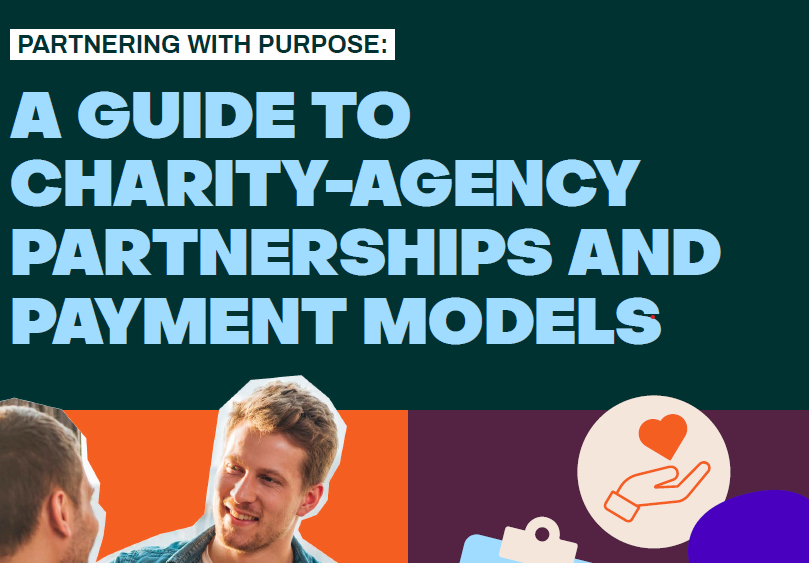
The Chartered Institute of Fundraising has updated its guidance following an inquiry into sub-contracting in face-to-face fundraising.
This is the first major revision of the guidance in nine years and includes new sections covering sub-contracting arrangements as well as advice on safeguarding of fundraisers, transparent job advertising and the importance of due diligence.
A focus of the sub-contacting update is to “set out clear expectations for how charities and agencies should manage outsourced fundraising responsibly”, says the CIoF.
This includes trustees “having a clear line of sight when it comes to knowing who is representing their charity in public fundraising settings”.
Last year the Fundraising Regulator published findings from its market inquiry into face-to-face fundraising, which urged charities to review their relationships with their sub-contractors.
It found that face to face fundraising is blighted by an influx of “sales oriented” energy sector salespeople who are used to a more “transactional” approach to fundraising.
The regulator warned that fundraisers are “being given less of a grounding in a charitable message”.
The refreshed CIoF guidance suggests charities can better monitor sub contractors through “shared databases, spreadsheets or having the ability to reach out to individuals directly and speak to them to ensure that the organisation’s brand and values are being adhered to in their fundraising teams”.
It recognises that it “may not always be possible or practical to have shared systems so updates from the lead agency when appropriate must be given”. This should include updates when new subcontractors are being brought in and when campaigns are moving between existing sub-contractors.
Trustees also need to ensure that contracts between their lead face-to-face fundraising agency and subcontractors are in line with original contracts in place.
Training on updated codes of conduct is also needed for fundraisers.
“As a charity, it is important to consider how you would want a member of staff employed directly by your organisation to carry out a conversation with a member of the public – and apply to that how you would want a fundraiser, working through an agency on your behalf, to speak to the public,” states the CIoF guidance.
“As such, you need to work with your lead agency (and the fundraisers working on your behalf) to ensure they have the right information and all the relevant briefing materials to enable them to carry out their job effectively and deliver the kind of campaign you want to see.”


Latest News
-
Council terminates charity’s £8.57m children's care home contract early amid staffing concerns
-
Charity boss shows her 'vulnerability' as she posts emotional grant rejection video
-
English speaking fundraising ideas may be ‘crowding out’ local strategies
-
Friday funding round up – 9 October
-
Charity charged with corporate manslaughter following fatal boating incident
-
CEO retires after 40 years with mental health charity




Beyond the funding squeeze: Using equities to secure your charity’s future

With charities facing increasing financial pressure and traditional income streams under strain, making investments work harder has never been more important. M&G’s Richard Macey and Michael Stiasny join Charity Times to discuss why equities remain a vital long-term asset class for charities, how organisations can balance income generation and growth, and the opportunities the current market environment may offer to help strengthen financial resilience.
Charity Times Awards 2023
Charity Times video Q&A: In conversation with Hilda Hayo, CEO of Dementia UK
Charity Times editor, Lauren Weymouth, is joined by Dementia UK CEO, Hilda Hayo to discuss why the charity receives such high workplace satisfaction results, what a positive working culture looks like and the importance of lived experience among staff. The pair talk about challenges facing the charity, the impact felt by the pandemic and how it's striving to overcome obstacles and continue to be a highly impactful organisation for anybody affected by dementia.




© 2021 Perspective Publishing Privacy & Cookies
Recent Stories